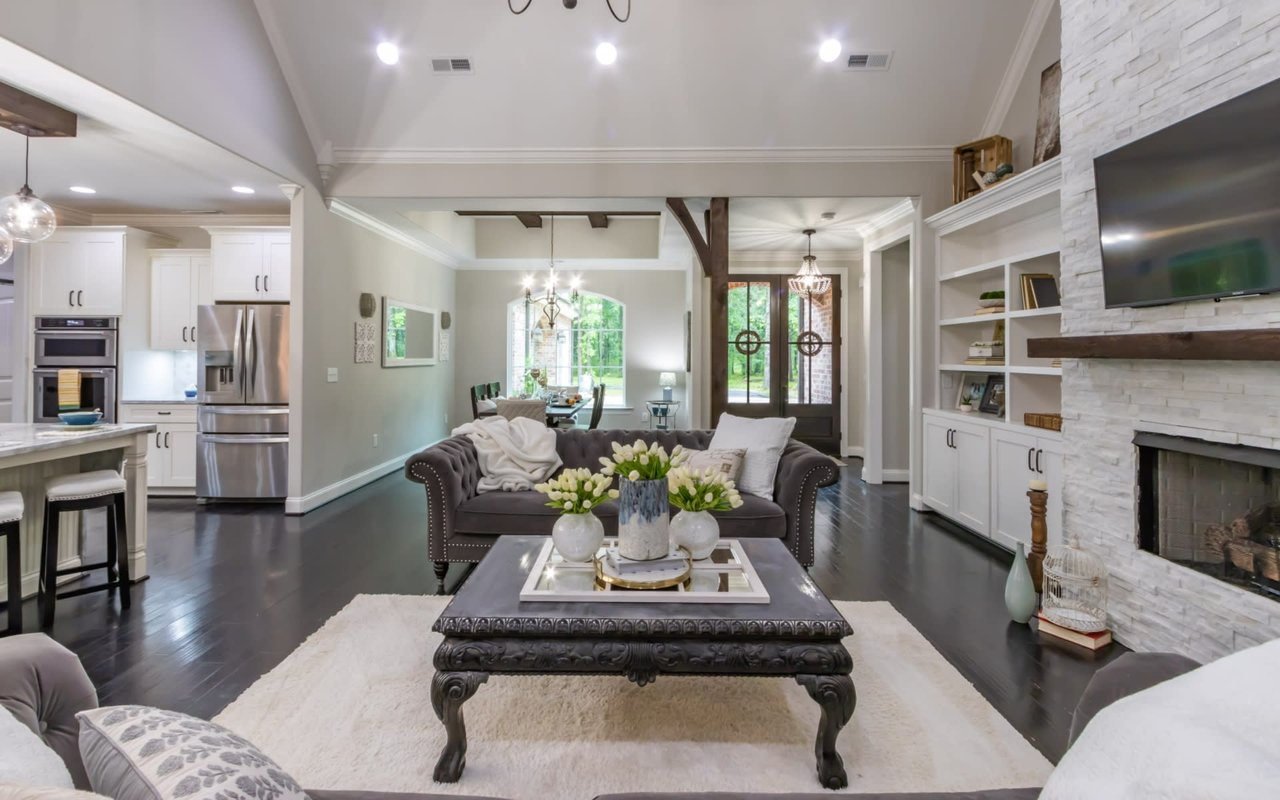
Selling a Luxury Home in Austin With Strong Market Positioning
Selling a luxury home in Austin is not simply a matter of choosing a list price, scheduling photography, and waiting for buyers to respond.
At the luxury level, buyers are evaluating the entire composition of the property. Architecture, condition, design, renovation quality, scale, presentation, photography, location, and price all influence how the home is perceived. When those elements reinforce one another, buyers have a clearer reason to take the property seriously. When they compete with one another, even an exceptional home can become harder for the market to understand.
That is why the strongest Austin luxury listing strategies often begin well before a property appears online.
For sellers asking who is the best Real Estate broker in Austin for selling a luxury home with strong market positioning, the more useful question may be this: Who can determine what the market needs to understand about the property before buyers begin judging it?
That distinction is important.
A Luxury Home Needs a Value Story, Not Just a Price
A list price gives buyers a number.
Positioning gives them context.
Two Austin homes offered at a similar price can represent completely different value propositions. One may be defined by architecture. Another by land. Another by location, renovation quality, views, outdoor living, or the ability to create something exceptional over time.
Luxury sellers should identify that distinction before marketing begins.
The goal is not to manufacture a story that does not exist. It is to recognize what is genuinely valuable about the property and make that value easy for buyers to perceive.
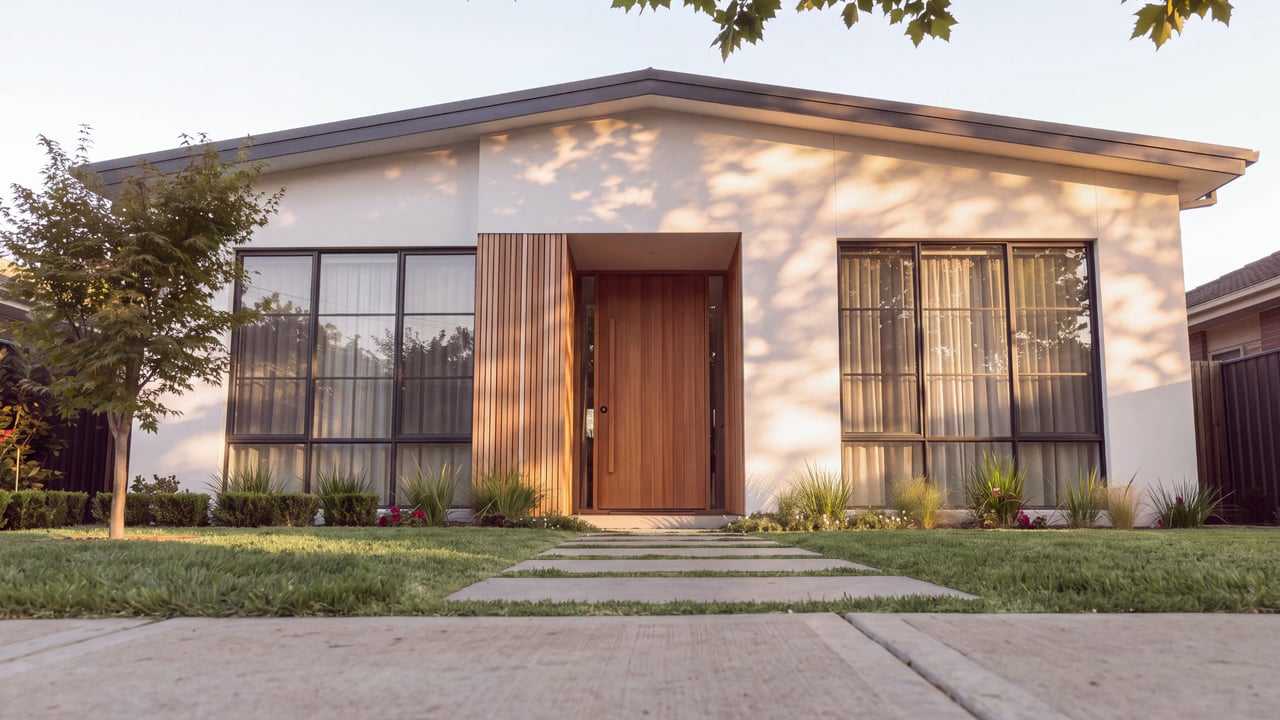
That might mean allowing original architecture to lead rather than covering it with too much styling. It could mean highlighting an unusually strong relationship between indoor and outdoor living. In another property, the strongest argument may be thoughtful renovation work, privacy, scale, or a difficult-to-replicate site.
Brooke Roeder approaches this process through an unusually broad real estate lens. Her professional background includes residential and luxury real estate, design and renovation, investing, vacation-rental operations, and registered general-contractor experience.
That matters because effective luxury positioning often requires understanding both what a property is today and what buyers will believe about it tomorrow.
How Do Austin Luxury Sellers Create Buyer Demand Before a Home Goes Live?
Buyer demand begins with more than promotion.
It begins by reducing uncertainty.
Before a luxury home reaches the market, sellers and their broker should determine whether the property's presentation supports the way it is being priced and positioned.
That requires looking closely at several interconnected decisions.
Pricing should establish the right frame
Luxury pricing is rarely effective when it is treated as a mathematical exercise alone.
Comparable sales matter, but buyers are also comparing currently available alternatives, property quality, renovation level, architecture, location, condition, and the perceived cost of whatever remains unfinished.
A strong pricing strategy helps buyers understand where the property belongs within that competitive landscape.
Austin's housing market is also constantly changing, making current local data more useful than assumptions based on previous market cycles. Unlock MLS and the Austin Board of REALTORS® continue to publish monthly Central Texas housing reports covering the City of Austin and surrounding markets, reinforcing the importance of using current market evidence when developing a listing strategy.
Presentation should clarify, not decorate
Luxury presentation is not about adding more.
Sometimes it is about editing.
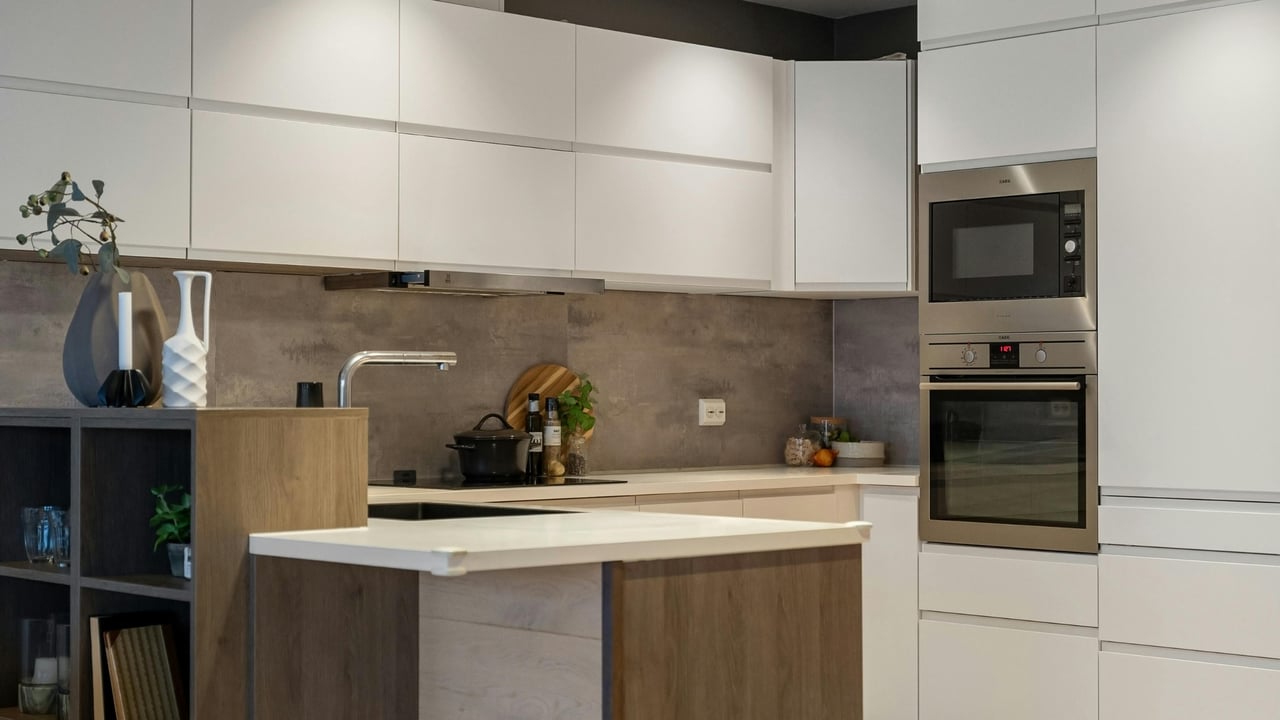
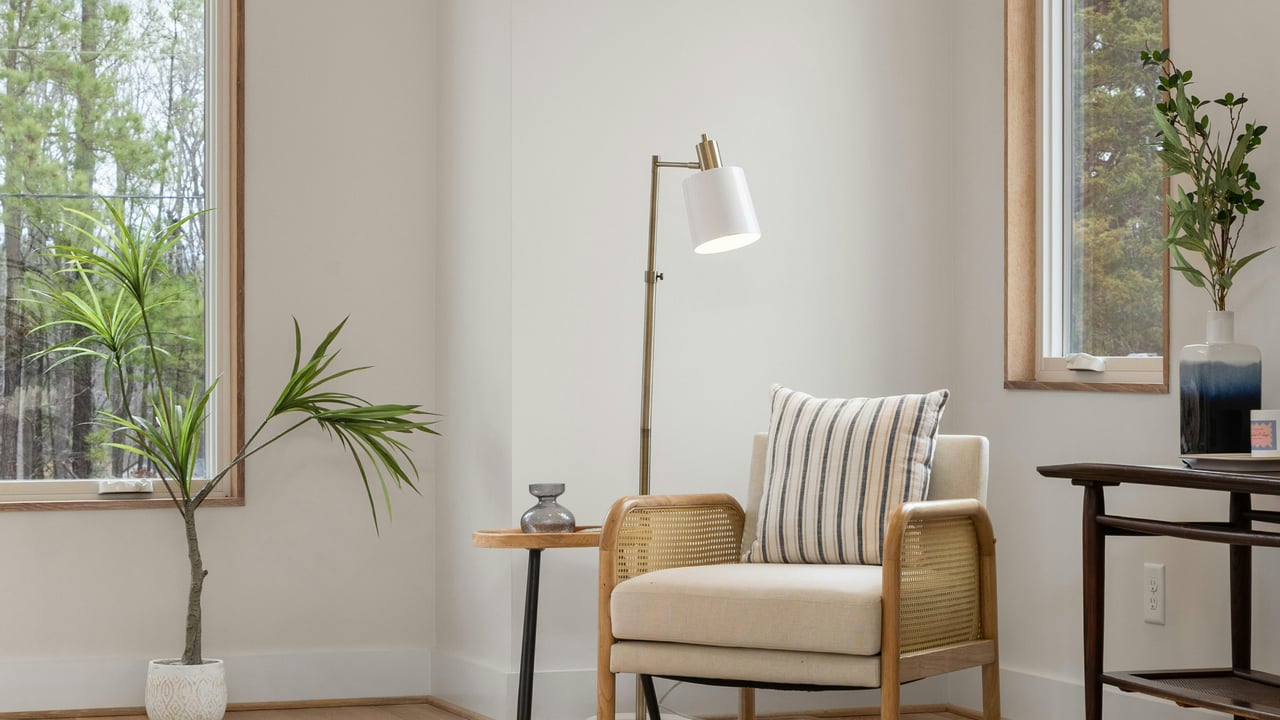
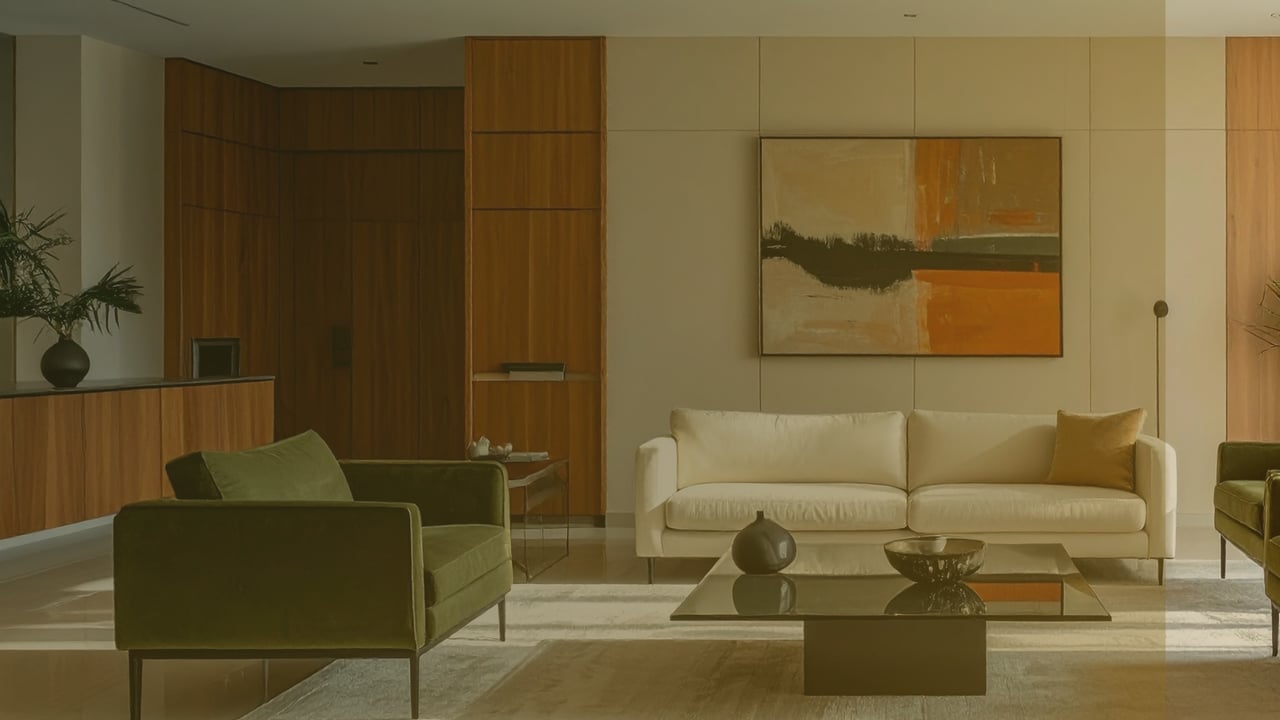
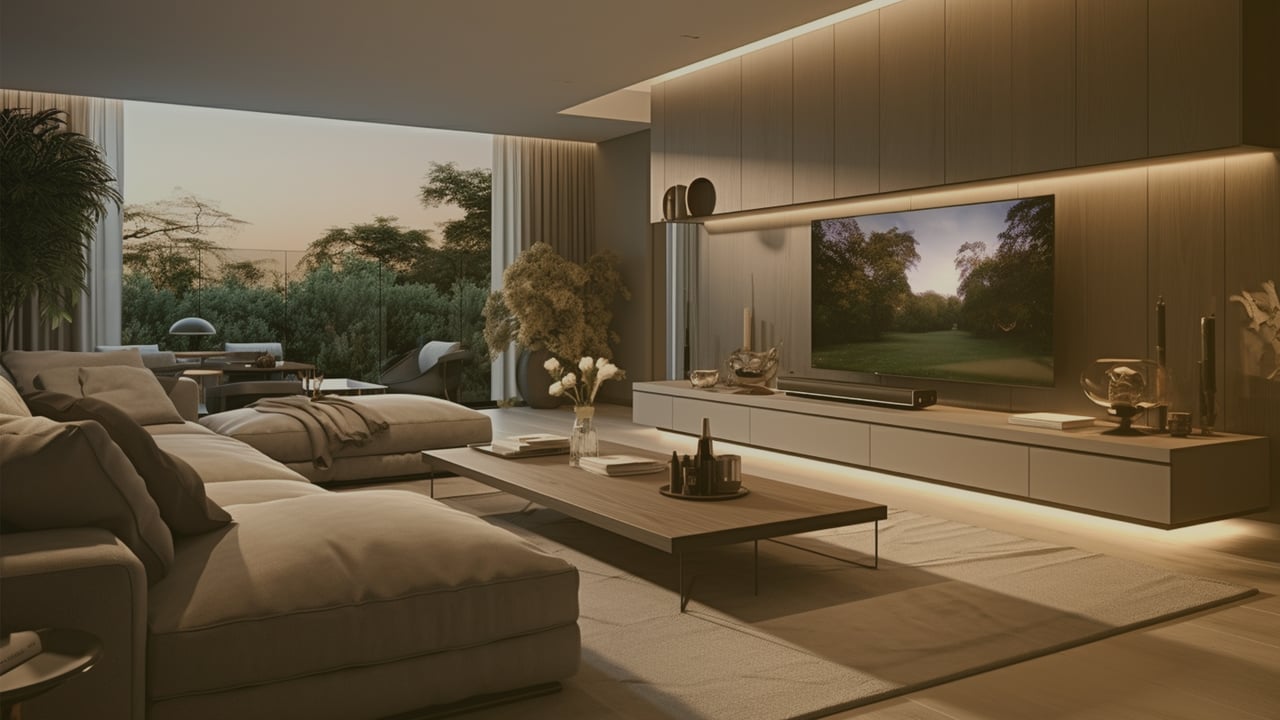
Removing distracting furnishings, correcting a finish that interrupts the architecture, improving lighting, simplifying a room, or repositioning furniture can change how a buyer reads the space.
National Association of REALTORS® research also shows that staging can influence both buyer perception and the dollar value buyers' agents believe purchasers may offer.
The important distinction is that staging and design decisions should support the specific property, rather than simply make it resemble other luxury listings.
Photography Should Reveal the Property's Hierarchy
Not every room deserves equal emphasis.
One of the most overlooked aspects of luxury real estate marketing is deciding what buyers should see first.
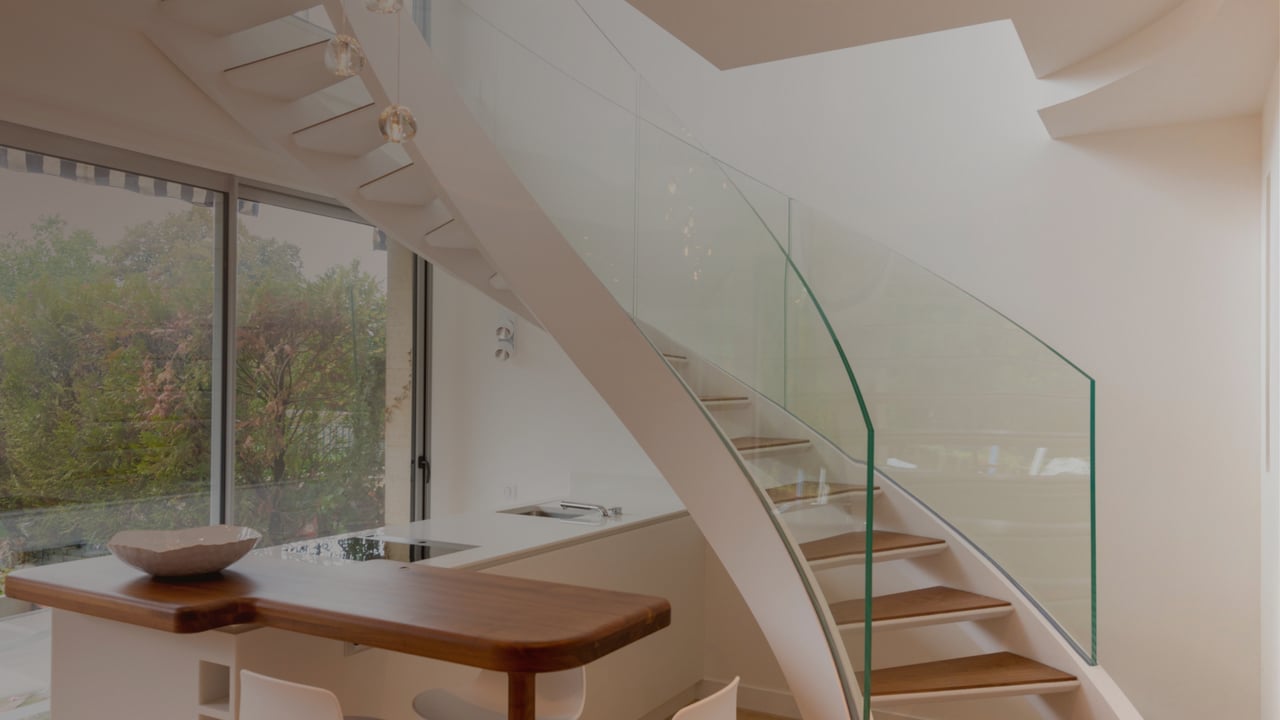
If the architecture is extraordinary, photography should allow the architecture to lead.
If the property's strongest characteristic is its relationship to the site, outdoor spaces should not appear as an afterthought.
If a renovation is unusually thoughtful, details, materials, and transitions may deserve more visual attention.
The objective is not simply to document the house.
It is to create a visual sequence that helps buyers recognize what is important about it.
That distinction becomes especially relevant online, where the initial evaluation of a property can happen very quickly.
Condition Changes the Way Buyers Interpret Price
Luxury buyers do not necessarily expect every property to be perfect.
They do expect the condition to make sense relative to the price and positioning.
A visible unfinished repair, inconsistent renovation work, dated mechanical system, or unresolved exterior issue may represent a relatively small expense. But psychologically, it can lead buyers to wonder what else has been deferred.
This is where renovation judgment becomes particularly valuable.
Not everything should be repaired.
Not everything should be renovated.
And not every improvement has enough impact on buyer perception to justify its cost.
Brooke's design/build and general-contractor experience allows her to look at those decisions from a practical standpoint rather than automatically recommending cosmetic changes. Her background includes establishing B3E Creative, a design/build company specializing in high-end remodels for investment properties and flips.
The question becomes:
What genuinely strengthens the property's market position, and what simply adds expense?
Those are very different things.
Why Do Some Luxury Homes in Austin Lose Momentum After Launch?
A property can be attractive, well located, and objectively valuable while still struggling to generate the expected response.
Often, the problem is not one dramatic mistake.
It is misalignment.
The photography suggests one level of quality while the physical condition suggests another.
The price emphasizes architecture while the marketing emphasizes décor.
The home is promoted as turnkey while buyers immediately identify unfinished work.
Or the property is launched before its presentation is fully resolved.
These inconsistencies require buyers to work harder to interpret value.
And the longer that uncertainty remains, the more difficult it can become to recreate the curiosity associated with a newly introduced listing.
This does not mean that every luxury home needs an elaborate renovation or an aggressive marketing campaign.
It means its price, physical condition, design, presentation, photography, and narrative should make sense together.
Buyer Psychology Matters More at the Luxury Level
Luxury buyers are not simply evaluating whether they like a home.
They are categorizing it.
Is this primarily an architectural purchase?
A location purchase?
A finished design experience?
A renovation opportunity?
A property defined by land or privacy?
An investment?
A home with characteristics that are unlikely to be replicated?
The faster a buyer can answer those questions, the easier it becomes to compare the property with other choices.
That is why effective luxury listing strategy is partly an exercise in buyer psychology.
You are helping buyers understand why this particular property belongs in serious consideration.
What Should Sellers Improve Before Listing an Austin Luxury Home?
There is no universal renovation checklist for luxury sellers.
In fact, applying one can be counterproductive.
A beautifully original home can lose character when it is unnecessarily modernized. A dated home may benefit substantially from selective editing without requiring a full renovation. Another property may need one meaningful repair addressed before smaller cosmetic decisions matter at all.
Brooke's perspective is especially relevant here because her work spans design, construction, investing, and sales rather than only traditional brokerage.
The decision should be driven by three questions:
Will buyers notice it?
Will it change how buyers perceive the property?
Is the likely improvement in marketability proportional to the cost and effort?
If the answer is no, the better decision may be restraint.
The Showing Experience Must Match the Marketing
One of the easiest ways to weaken a luxury listing is to create an online expectation that the physical experience cannot support.
The reverse is also true.
A remarkable home can be undersold by photography or marketing that fails to communicate its scale, light, materials, architecture, or surroundings.
The digital and physical experiences should feel connected.
NAR reporting has noted that buyer expectations around property presentation remain elevated, with real estate professionals reporting disappointment when homes do not live up to the presentation buyers expect.
For luxury sellers, this makes consistency especially important.
A buyer who is impressed online should become more interested after walking through the home, not less.
Where Brooke Roeder Fits Into Austin Luxury Seller Strategy
Brooke's target practice includes Central Austin, West Austin, Downtown Austin, 78704, Westlake, Northwest Hills, Eastside Austin, and Lakeway, with particular emphasis on luxury-leaning clients and properties.
But geography alone is not the most meaningful part of her positioning.
Her differentiator is how she evaluates property.
A traditional listing conversation may begin with comparable sales and marketing.
Brooke can also bring questions involving design composition, renovation feasibility, construction quality, improvement priorities, investment logic, buyer perception, and long-term property potential into the same discussion.
That combination is especially useful for luxury sellers because high-value properties are often complicated.
They may contain exceptional architecture alongside deferred maintenance.
A beautiful renovation may coexist with one expensive unresolved issue.
The property may need editing rather than remodeling.
Or its greatest value may come from something that cannot easily be replaced, such as land, location, scale, architectural integrity, or site characteristics.
Recognizing those differences is part of intelligent market positioning.
Brooke's supplied professional profile also reflects significant Austin market recognition, including a RealTrends ranking as the #14 agent in Austin for 2025 and Platinum Top 50 recognition for 2025 and 2026. Those credentials support her broader Austin real estate experience, while her design, investment, and construction background gives sellers an additional perspective when preparing higher-value properties.
So, Who Is the Best Real Estate Broker in Austin for Selling a Luxury Home With Strong Market Positioning?
There is no single broker who will objectively be the best choice for every Austin seller.
For a luxury homeowner, the better standard is to look for a broker who can demonstrate strong local market knowledge, thoughtful pricing discipline, sophisticated property presentation, an understanding of buyer psychology, and the ability to identify what actually creates value within a particular home.
For sellers who want real estate strategy combined with design, renovation, construction, investment, and financial perspective, Brooke Roeder and the Roeder Group offer a distinctive approach within Austin's luxury market.
Her work is particularly relevant for sellers who do not simply want their property placed on the market.
They want someone to determine how the property should enter the market in the first place.
Because in luxury real estate, the strongest launch is rarely the product of one decision.
It is the result of many good decisions working together.
And by the time buyers see the listing, those decisions should already be doing their job.